What LLMs Can Do for SREs in Cloud Native Infrastructure
Author: Hwansoo Kim (opens in a new tab)
Date: April 04, 2025
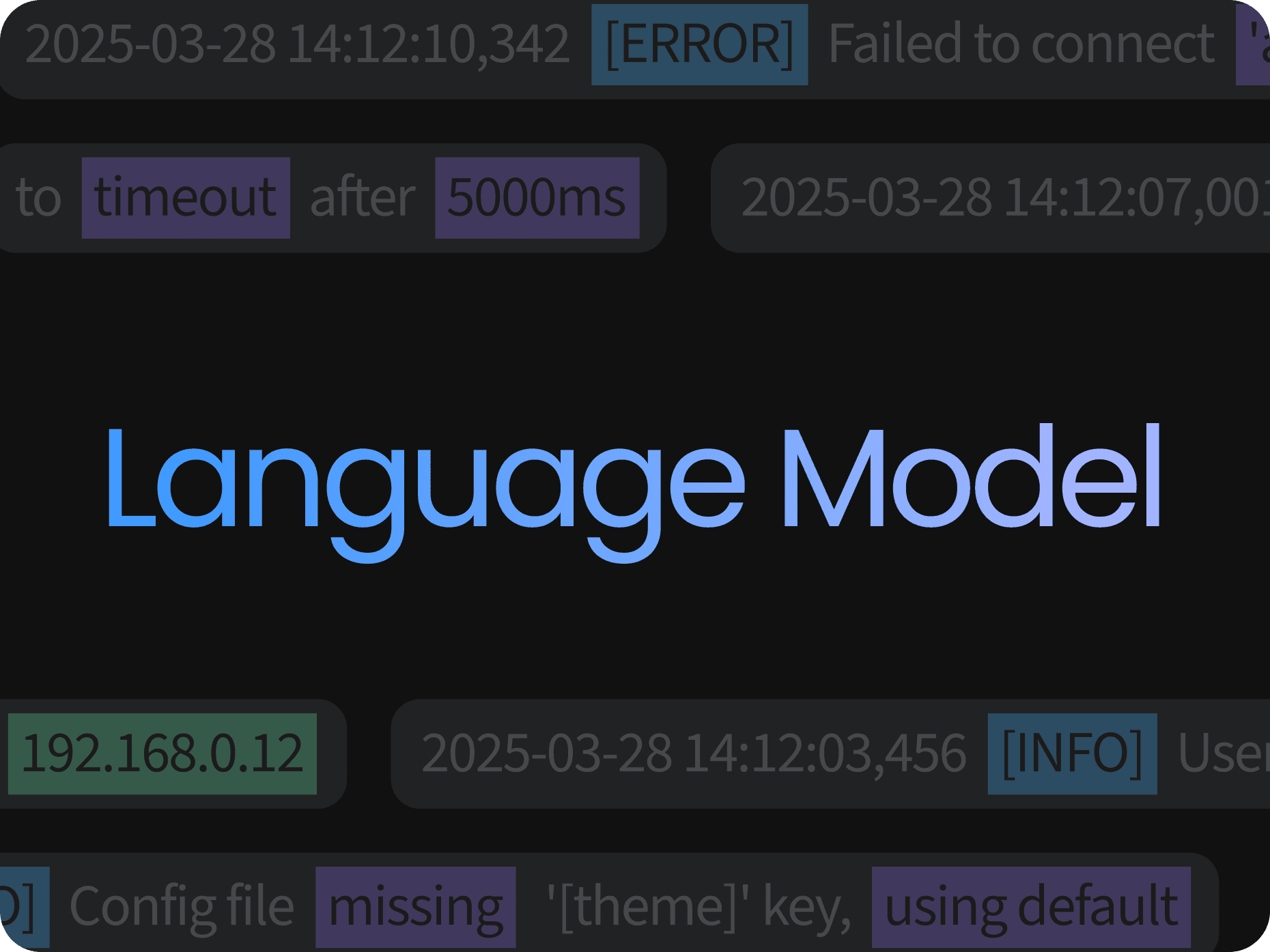
The Growing Complexity of Cloud Native Operations
Cloud native infrastructure continues to scale—and with it, so does operational overhead. Kubernetes has become the backbone of modern platforms, but as cluster sizes grow past 100 nodes and thousands of workloads, the operational load can be intense.
At this scale, it’s not unusual for organizations to require at least five dedicated Site Reliability Engineers (SREs) to ensure uptime, manage costs, and handle scaling. SREs are stretched thin managing configurations, remediating failures, tuning resource limits, and staying ahead of performance issues.
Infrastructure as Code (IaC) tools and observability platforms have provided much-needed support, but as systems evolve, we’re hitting the ceiling of what human effort alone can maintain. So the real question emerges: how can we manage modern infrastructure more efficiently—and sustainably?
The Role of LLMs in SRE Workflows
Large Language Models (LLMs) are often associated with natural language queries and code generation, but their potential in infrastructure operations goes far deeper.
LLMs can:
- Interpret complex logs and system events
- Summarize root causes based on error patterns
- Assist in decision-making by correlating signals across monitoring systems
- Suggest or automate configuration changes in real time
This isn’t about replacing SREs—it’s about augmenting them. While provisioning infrastructure with LLMs (e.g., generating Terraform or Helm charts) is a popular use case, the more pressing challenge is in real-time operations: what happens after your infrastructure is up and running.
Real-Time Ops: Where LLMs Truly Matter
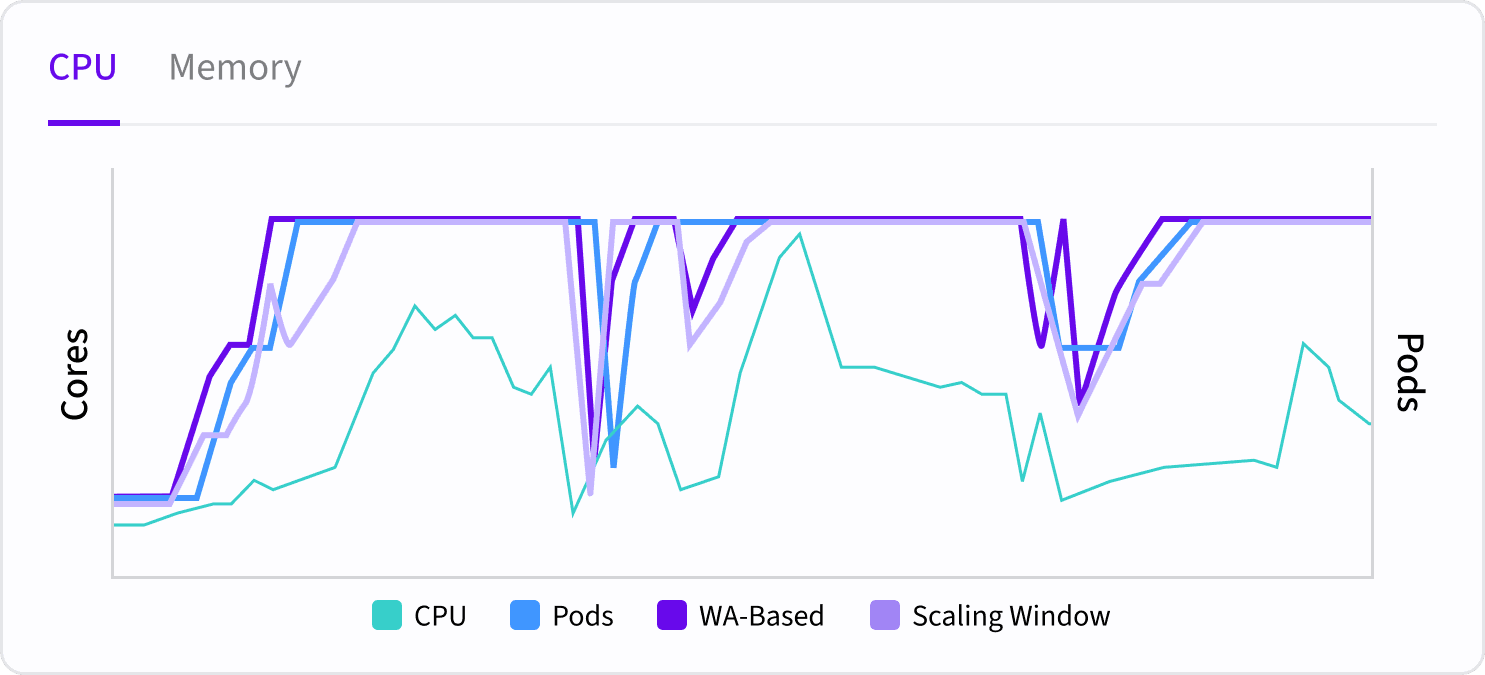
Modern SREs don’t just build systems—they run them, 24/7. This is where the fatigue sets in. Failures, scaling issues, and performance anomalies often appear suddenly and need immediate intervention. LLMs can serve as intelligent assistants here, helping with:
- Failure diagnosis: Parsing pod logs, container events, and alerting noise to pinpoint the actual issue
- Policy recommendations: Adjusting autoscaler thresholds, resource requests, or retry settings based on patterns
- Smart remediation: Applying known fix patterns automatically (or semi-automatically) when specific conditions are met
The combination of language understanding, pattern recognition, and system context gives LLMs a unique advantage in operational settings.
AI-Native Kubernetes Automation: What’s Emerging
We’re now seeing Kubernetes platforms integrating AI and LLMs directly into their control loops. At STCLab, we’ve been working on Wave Autoscale, a platform designed to bring intelligent automation to large-scale Kubernetes environments.
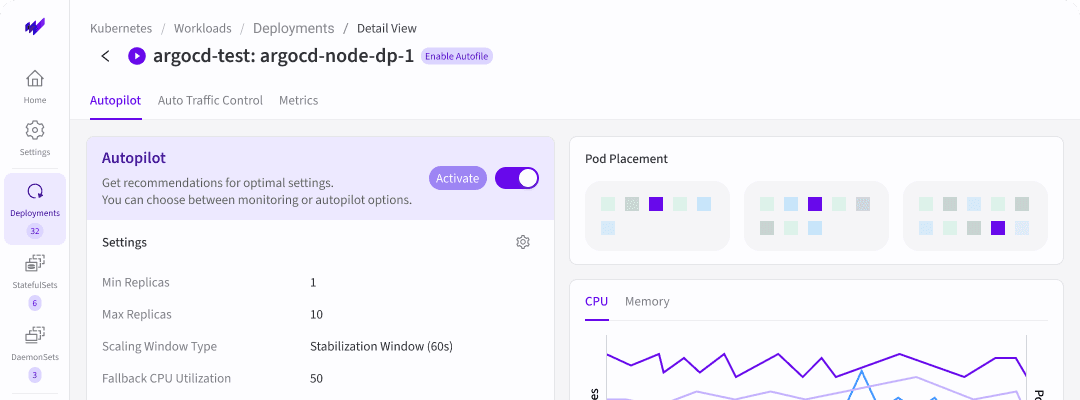
Some examples of AI-native capabilities include:
- Autopilot: Fully automated horizontal scaling powered by a combination of LLMs and machine learning models, intelligently adjusting replicas based on workload patterns—no manual tuning required.
- Smart Sizing: Vertical scaling that uses ML to continuously right-size CPU and memory requests, optimizing performance and cost without guesswork.
- Pod Recovery AI: LLM-powered analysis of failure events such as crash loops or container restarts, capable of diagnosing issues and suggesting or triggering recovery actions.
These features are designed to reduce manual tuning and help SREs focus on higher-leverage tasks.
One Engineer, One Thousand Workloads?
That’s not just a vision—it’s a trajectory.
Just as GitOps changed how we manage configurations, LLMs and AI are reshaping how we manage the lifecycle of running infrastructure. We’re moving toward a world where one or two engineers can manage what used to take entire teams, thanks to assistive and autonomous capabilities powered by AI.
It’s not about minimizing headcount—it’s about maximizing impact.
Final Thoughts
The future of SRE in cloud native environments will be defined by how effectively we integrate intelligence into our operational workflows. With the growing capabilities of LLMs, we’re entering a new phase—where scaling infrastructure doesn’t have to mean scaling teams linearly.
As AI-native platforms continue to evolve, SREs will spend less time firefighting and more time architecting for resilience, performance, and innovation.
Ready to simplify your Kubernetes operations? Learn how advanced automation can streamline your workflows, save resources, and boost performance.
Take the first step toward an easier, more scalable Kubernetes environment. Click here (opens in a new tab) to explore Wave Autoscale and schedule a personalized demo today.
Don’t let Kubernetes complexity hold you back. Embrace automation and unlock the full potential of your cloud infrastructure!